Author Archives: Femflection

Empowerment through Essential Oils – European Convention Prague

by Mariska van Beek

prague700
Photo by doTerra

Last month I visited the Annual European Convention of doTerra in Prague.

doTerra is one of the largest Essential Oil companies in the World.

Essential Oils support your physical health system as well as your emotional sense of well being. All naturally without negative side affects. Essential oils help your body to regain its own homeostase, in other words, its own balance. So back to nature!

I love the products! Continue reading

Situation 17: MUTUALLY BENEFICIAL RELATIONSHIP


The mentor-mentee relationship between Billy and Betsy transformed into a buddy relationship and is working out very well. Billy and Betsy are happy that they are able to support each other.

(Click on the pictures to see them in full size) Continue reading

I Am Feeling Vulnerable!

by Anja Uitdehaag

At work, we are programmed to act as if we know what we are doing, even in moments when we have no clue.

Managers and employees often act from the shared belief that being vulnerable at work is not acceptable, that it will result in perceptions of incompetence, lack of confidence and consequently a poor performance review.

We are often afraid to be vulnerable because it is associated with weakness. However it is a commonly experienced human feeling. None of us are exempt from feeling vulnerable at times. Continue reading

Maria Bartiromo with Catherine Whitney, “The 10 Laws of Enduring Success”

51pqj26nfdl


Reviewed by Femflection

Maria Sara Bartiromo (born September 11, 1967) is an American television journalist, magazine columnist and author of three books.

“The 10 Laws of Enduring Success” draws on the experiences of the thousands of executives Maria Bartiromo has interviewed over the years, as well as her own career and professional philosophy. Continue reading

Situation 16: RESPECT

Femsy finds it uncomfortable to deal with Billy, the most experienced and best performing Regional Sales Supervisor within her team.

(Click on the pictures to see them in full size) Continue reading

“But… who am I?”

lewis carroll

Identity has been on my mind lately.

As one sociologist said: “Most people define themselves by their job. When they retire, they need a narrative about who they are now.”

It is very easy to confuse “What we do” with “who we are”.

Until some years ago I didn’t realize how much I drew upon my work as the source of my identity.

I struggled to find out how I can ensure the commitment to myself to living a significant life.

If we’re not careful, our essence and identity can become absorbed by all of our titles: wife, mother, friend, daughter, employee, coach.

The key to maintaining your balance of self and to become the most authentic version of yourself is simply focusing on what makes you happy by regularly checking in with yourself.

Analyze yourself; I mean truly analyze yourself – this is easier said than done. It takes courage and honesty. If you are ready to face yourself then start with some basics such as:

  • Who are you? Who do you actually want to become/be?
  • The gap between the two is “what is missing”
  • Make a concrete action plan to remove the gap
  • And even more important: Implement the action plan.

There is no need to “tough it out on your own.” Find a friend who is also interested in personal development and who won’t judge the struggle you are experiencing.

It is all within your reach. Success!

Anja Uitdehaag

When Office Politics Are At Odds With Your Personal Values

by River Ho Rathore

Just yesterday, I came across a Harvard Business Review article titled “Great Leaders Embrace Office Politics. Written by Michael Wenderoth, the article describes how, in the real world, our success is determined less by merit and more by perceptions and political skills. Michael’s writing is pragmatic and draws insights from top executives’ actual experiences, even his own. It also reminded me of the many warnings I have received about playing the office politics game. “It is there in every office. You cannot eliminate it, so you might as well play it,”  a number of colleagues, relatives and friends have told me so over the years. Continue reading

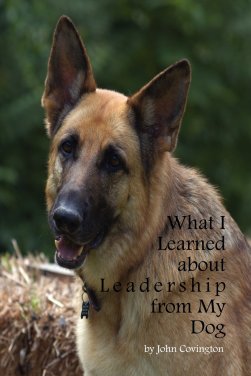
John Covington, “What I Learned About Leadership From My Dog”

71ukp1iw7wl


Reviewed by Femflection

John Covington is CEO of Chesapeake Consulting. He is APICS certified as CPIM, has all TOCIOC disciplines and is a Jonah’s Jonah. Prior to founding Chesapeake he served industry in roles ranging from process engineer to vice president of operations. Continue reading

Situation 15: OFFICE RUDENESS

Femsy shares the office with Mansy, which is not easy for her. Mansy is often not greeting her in the morning, is not or hardly acknowledging her presence in the office, talks too loud on the telephone and is distracting Femsy from concentrating on her job by asking questions or making comments/jokes whenever it suits him.

(Click on the pictures to see them in full size) Continue reading

Everything isn’t about you

Elsa – Frozen

When something upsetting happens at work, a woman is more likely to take it personally than her male counterpart.

Most advice given for handling such a situation would be “It’s just business, don’t take it personally.”

For a long time this kind of advice used to make me even angrier. Not to take things personally? It was personal!

Today? – Though I’m far from being fully detached, I’ve come a long way compared to where I once was.

There’s nothing like growing up in a large competitive family and a global career in a male dominated environment to teach you how to not take things personally.

When you take things personally you give others more power over you than they ever should be allowed to have. You are allowing someone to question what you feel, believe and who you are. It keeps you tied to someone else and can even make you feel like a victim.

The biggest benefits of not taking things personally are self-awareness, self worth and clarity.

Knowing and truly feeling that only you can dictate whether or not you’re on track or whether or not you’re successful is a reward in and of it self.

As Eleanor Roosevelt said, “No one can make you feel inferior without your permission.”

Anja Uitdehaag